



Table of Contents
In the rapidly evolving landscape of modern manufacturing, operational efficiency and sustainability are no longer just buzzwords—they are critical metrics for business survival and growth. As energy costs fluctuate and global environmental regulations become more stringent, metal fabrication facilities are scrutinizing their heavy machinery. At the center of this technological revolution is the energy-efficient press brake, a piece of equipment designed to deliver maximum bending force while drastically cutting down on electrical waste and operational overhead.
Whether you are a small job shop or a large-scale industrial manufacturer, understanding the mechanics, benefits, and long-term value of upgrading your bending equipment is essential. This guide explores everything you need to know about optimizing your production line with the latest sustainable technologies.
What Defines an Energy-Efficient Press Brake?
Traditional hydraulic press brakes rely on induction motors that run continuously, pumping hydraulic fluid even when the machine is idle between bends or during tooling setups. This "always-on" approach leads to massive energy waste, excessive heat generation, and unnecessary wear and tear on the machine's components.
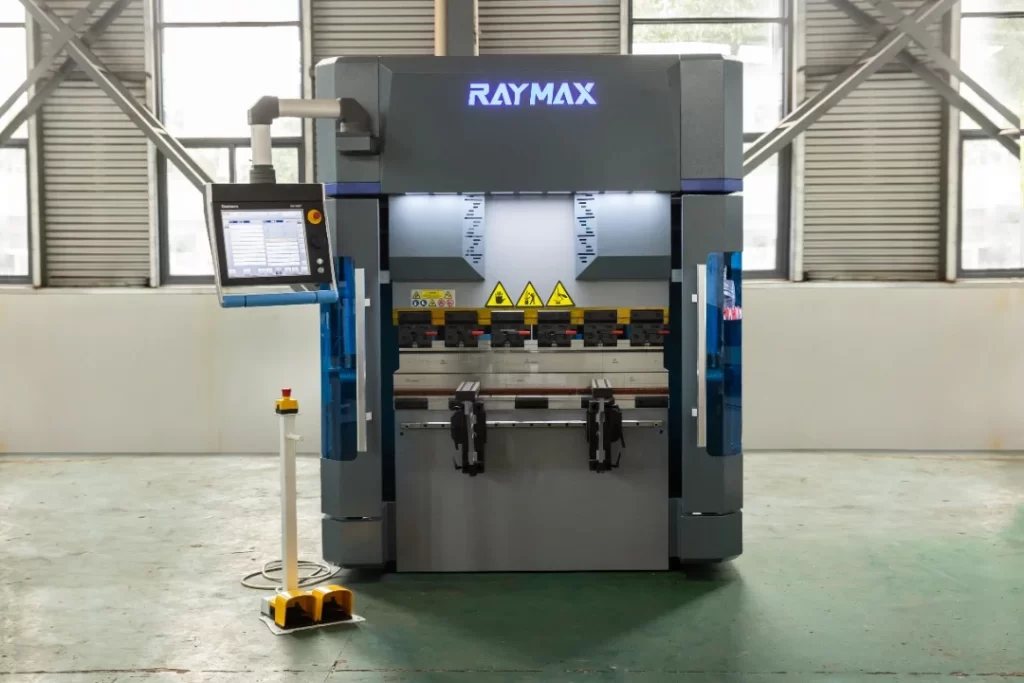
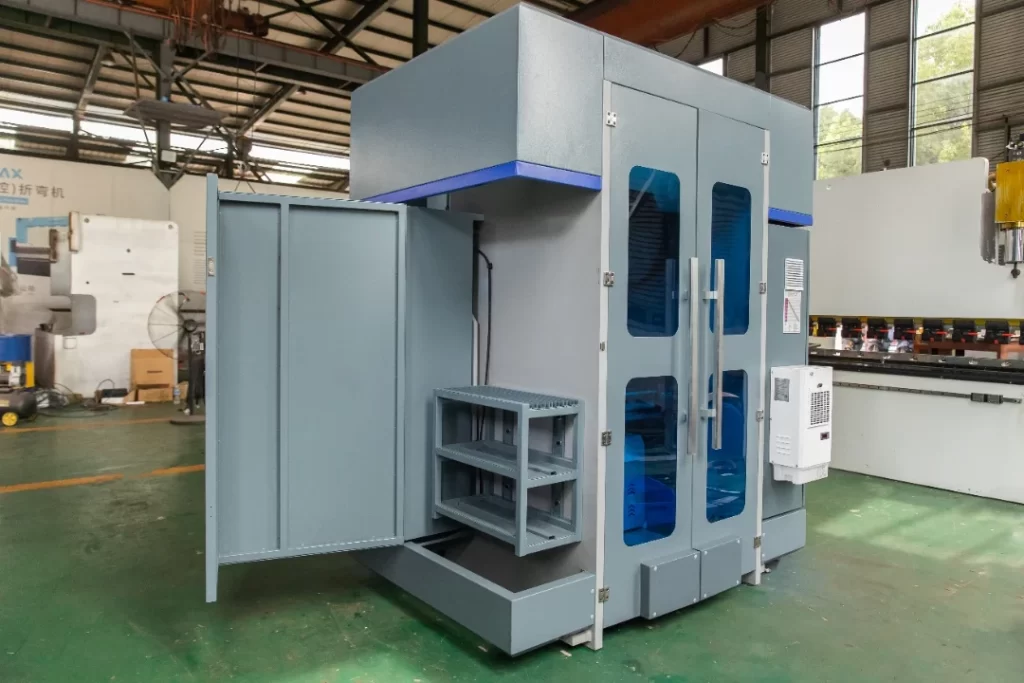
In contrast, an energy-efficient press brake utilizes on-demand power systems. These machines only consume electricity when the ram is actively moving to bend the metal. This is primarily achieved through two advanced systems:
- Servo-electric press brake technology: These machines eliminate hydraulic oil entirely, using electric servo motors driving belts and pulleys or ball screws to move the ram. They are incredibly fast, highly accurate, and consume power only during the actual bending cycle.
- Hybrid hydraulic bending machines: These represent a perfect middle ground, combining the immense power of hydraulics with the efficiency of servo motors. A servo motor drives the hydraulic pump, meaning the pump only runs when pressure is required.
Top Benefits of Upgrading Your Equipment
Investing in modern bending technology offers a compounding return on investment (ROI) that extends far beyond your monthly utility bill.
1. Significant Reduction in Operating Costs
The most immediate benefit is the drop in electricity usage. By utilizing targeted power only when the machine is under load, facilities can drastically reduce power consumption in metal fabrication by up to 60% compared to conventional hydraulic models. Over a machine's lifespan, this equates to tens of thousands of dollars in savings.
2. Enhanced Precision and Quality Control
Modern energy-efficient models are intrinsically tied to advanced computerized controls. These high-precision CNC press brakes offer micrometer-level accuracy, ensuring that every bend is exact. The elimination of hydraulic thermal drift (where heating oil changes the bending parameters) means the first part produced in the morning is identical to the last part produced at night.
3. Lower Maintenance and Less Downtime
Because the internal components of a servo or hybrid system are not constantly running, they experience significantly less wear. Furthermore, pure electric systems eliminate the need for hydraulic oil changes, filter replacements, and the risk of hazardous oil leaks, making them the ultimate eco-friendly sheet metal bending solution.
4. Improved Working Environment
Traditional hydraulic pumps generate a constant, loud hum that contributes to factory floor noise pollution. Energy-efficient models operate almost silently when idle and generate minimal noise during the bend, creating a safer and more comfortable environment for operators.
Key Features to Look for When Investing
When evaluating different models to integrate into your production line, it is crucial to look beyond just the "green" label. True efficiency comes from a holistic machine design.
Look for machines equipped with Variable Speed Drives (VSD) which seamlessly adjust the motor speed to match the required load. Additionally, intelligent offline programming software is a vital component of sustainable manufacturing equipment. Good software reduces test-bending and scrap material, ensuring that energy and resources are not wasted on faulty parts.
To achieve truly cost-effective sheet metal forming, manufacturers must also consider the machine's crowning system. Automatic CNC crowning compensates for machine deflection under load, guaranteeing consistent angles across the entire length of the bend without requiring the operator to perform multiple manual trial bends.
Raymax: Empowering the Future of Metal Bending
Finding the right partner to upgrade your fabrication floor is just as important as the machine itself. Raymax has established itself as a forward-thinking leader in the sheet metal machinery industry, providing robust and technologically advanced equipment tailored to modern demands.
By prioritizing both sheer performance and environmental responsibility, Raymax ensures that fabricators do not have to choose between power and sustainability. Whether you require standard machinery or highly custom metal bending solutions, their engineering focuses on optimizing cycle times while minimizing carbon footprints. Choosing a Raymax machine means investing in reliability, cutting-edge software integration, and a dedicated commitment to the future of efficient manufacturing.
Conclusion
The transition toward energy efficiency is an unavoidable and highly beneficial shift in the metal fabrication industry. Upgrading to an energy-efficient press brake is a strategic business decision that lowers overhead, increases part accuracy, reduces maintenance, and positions your company as an environmentally responsible manufacturer. By understanding the technology and partnering with the right manufacturer, you can future-proof your facility and maintain a sharp competitive edge in a demanding market.
Frequently Asked Questions (FAQ)
Q1: How much energy can I realistically save by switching to an energy-efficient press brake?
A: While savings vary based on your specific operational hours and the model you choose, most facilities observe a 40% to 60% reduction in electricity consumption for their bending operations. Because hybrid and servo-electric systems only draw significant power during the actual bend, the energy savings are especially pronounced in job shops with frequent tool changes or longer setup times.
Q2: Are servo-electric press brakes better than hybrid models?
A: Neither is objectively "better"; it depends on your application. Servo-electric press brakes are incredibly fast, highly precise, and completely oil-free, making them ideal for lighter tonnage and smaller, complex parts. Hybrid models offer the high-tonnage capabilities of traditional hydraulics while still providing massive energy savings, making them better suited for heavy-duty, thick-plate bending.
Q3: Does reducing power consumption affect the bending speed or pressing force?
A: No. In fact, it often improves performance. Energy-efficient systems route power precisely when and where it is needed. Servo-electric and hybrid press brakes typically feature faster approach and return speeds than conventional hydraulic machines, and they deliver the exact programmed tonnage without any drop in performance, ultimately increasing your overall throughput.