



Tabla de contenido
In the dynamic and highly demanding world of metalworking, precision, speed, and reliability are not just desired; they are absolutely essential. Whether you are running a massive industrial manufacturing plant or a specialized local fabrication shop, the quality of your cuts dictates the quality of your final product. At the heart of this process lies a critical piece of industrial sheet metal cutting equipment: the cizalla hidráulica de viga oscilante.
This comprehensive guide will delve deep into the mechanics, advantages, applications, and purchasing considerations of hydraulic swing beam shears, providing you with the knowledge needed to optimize your production line and make informed machinery investments.
What is a hydraulic swing beam shearing machine?
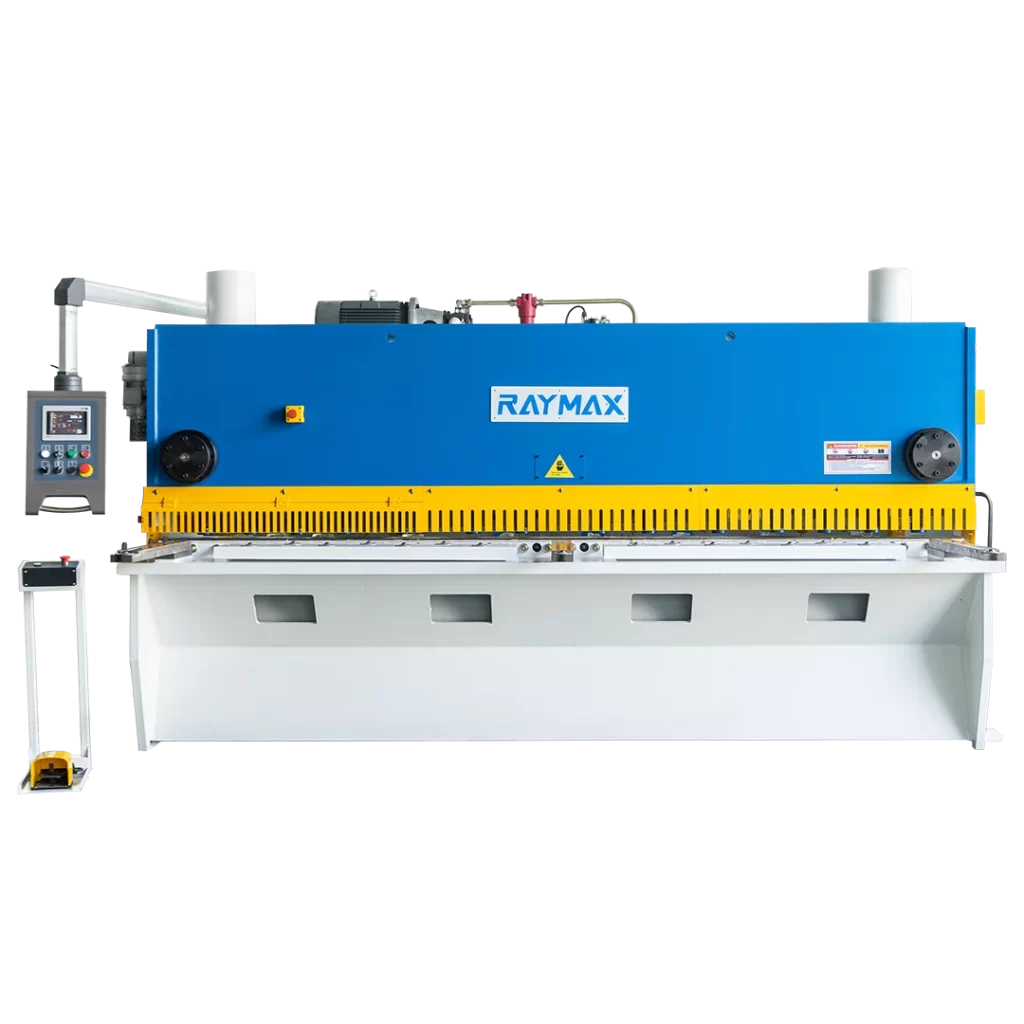
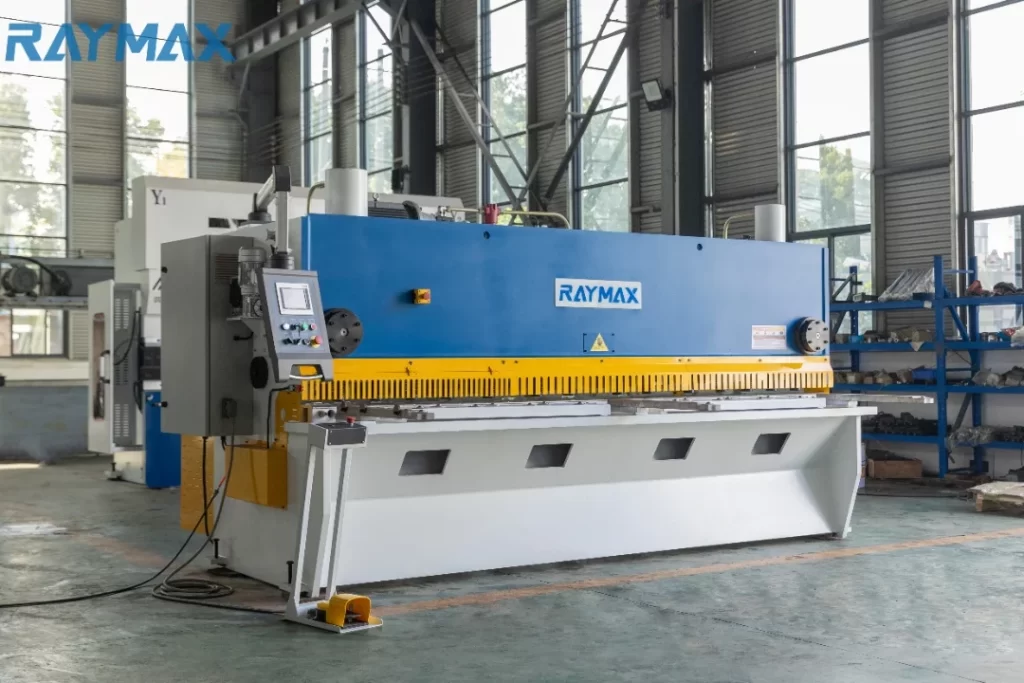
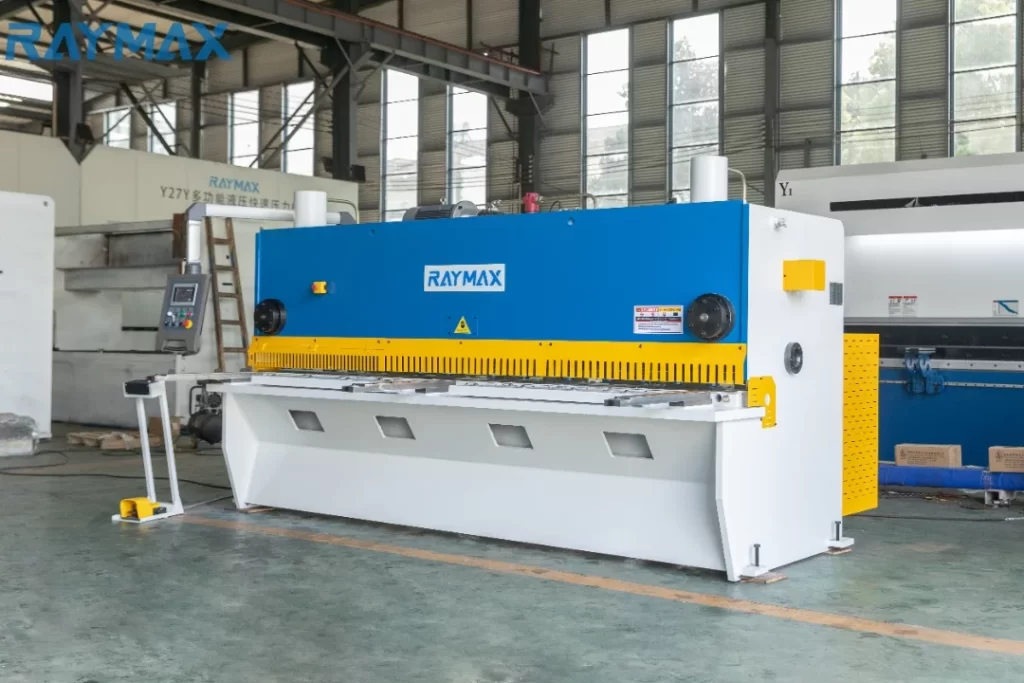
A cizalla hidráulica de viga oscilante is a robust, heavy-duty machine tool designed specifically to cut (or "shear") large sheets of metal with extreme accuracy. Unlike standard shears, the upper blade of a swing beam shear is mounted on a robust beam that pivots on high-quality bearings. When the hydraulic cylinders activate, the upper beam swings down in a tight arc to shear the metal against a fixed lower blade.
This pendulum-like swinging motion provides a clean, fast, and highly efficient cut, making it an indispensable asset among modern maquinaria de fabricación de chapa.
How Does the Swing Beam Mechanism Work?
To truly appreciate high-precision metal shearing solutions, it is vital to understand the underlying mechanics. The machine operates using a powerful hydraulic system. Fluid is pumped into heavy-duty cylinders, forcing the ram (the upper beam) downward.
Because the ram swings on a fixed pivot point, the clearance between the upper and lower blades remains remarkably consistent throughout the cutting stroke. This mechanism inherently reduces the friction between the blades and the metal sheet. Furthermore, the return stroke is typically powered by nitrogen gas return cylinders, which allows for rapid, smooth, and energy-efficient upward movement, preparing the machine for the next immediate cut.
Core Advantages of Using a Swing Beam Shear
Investing in a heavy-duty hydraulic metal shear offers numerous operational and financial benefits for metal fabricators:
1. Enhanced Durability and Low Maintenance
Due to the pivoting design, there are fewer moving parts and less wear and tear on the guideways compared to other shearing technologies. The elimination of traditional sliding guides means less friction, resulting in a longer lifespan for both the machine and the cutting blades.
2. Cost-Effective Operation
For manufacturers cutting standard thicknesses of mild steel, stainless steel, or aluminum, swing beam shears offer an incredible balance of performance and price. They are generally more affordable than their guillotine counterparts while delivering exceptional speed and reliability for mid-range cutting capacities.
3. Rapid Cutting Speeds
The hydraulic system combined with the nitrogen cylinder return mechanism allows for high-speed continuous cutting. This drastically reduces production bottlenecks and increases overall daily output.
Hydraulic Guillotine vs Swing Beam Shear
When upgrading their facilities, buyers often find themselves comparing the hydraulic guillotine vs swing beam shear.
- Swing Beam Shears: Ideal for standard metal fabrication. The blade moves in an arc. They are highly cost-effective, require very little maintenance, and are perfect for cutting materials up to roughly 16mm to 20mm in thickness.
- Guillotine Shears: The upper blade moves straight down in a vertical track. These are typically chosen for exceptionally thick metal plates (over 20mm) or when variable cutting angles (rake angles) are strictly required to prevent distortion on very narrow strips.
For the vast majority of standard sheet metal processing tasks, the swing beam design provides the perfect sweet spot of efficiency, precision, and return on investment.
Key Features to Look For When Buying
When consulting with top CNC hydraulic shearing machine manufacturers like Raymax, you should look out for several critical features that define a premium machine:
Advanced NC or CNC Controllers
Modern shears are equipped with advanced control systems (such as the E21, DAC310, or CybTouch series). These intuitive controllers allow operators to easily program the backgauge position, cutting length, and stroke numbers, significantly minimizing human error and reducing setup times.
Quick Blade Clearance Adjustment
Different metal thicknesses require different gaps between the cutting blades. Premium machines feature a rapid, user-friendly blade clearance adjustment mechanism (often a side dial or motorized CNC control). Proper clearance guarantees burr-free edges and protects the blades from premature damage.
Sturdy Welded Steel Frame
A high-quality shear must have a fully welded, stress-relieved steel frame. This massive rigidity prevents the machine from flexing during heavy cuts, ensuring long-term structural integrity and consistent cutting precision.
Evaluating Swing Beam Shear Cutting Capacity
Always match the swing beam shear cutting capacity to your maximum operational needs. Consider the maximum length of the sheet (commonly ranging from 2500mm to 4000mm) and the maximum thickness of mild steel or stainless steel you will process. Remember that the capacity for stainless steel is generally half that of mild steel due to its higher tensile strength.
Industrial Applications
Hydraulic swing beam shears are versatile workhorses utilized across a multitude of sectors:
- Automotive Parts Manufacturing: For cutting chassis components and body panels.
- Aerospace & Aviation: Where exacting tolerances are non-negotiable.
- HVAC and Ductwork: Rapid shearing of galvanized steel sheets for ventilation systems.
- Construction & Architecture: Preparing structural steel plates and architectural cladding.
Maintenance Tips for Longevity
To ensure your investment continues to operate at peak performance, adhere strictly to a routine maintenance schedule:
- Hydraulic Fluid: Regularly check the oil level and cleanliness. Replace the hydraulic oil and filters according to the manufacturer's manual (usually after the first 2000 hours, then every 4000 hours).
- Blade Inspection: Inspect the rectangular blades daily. Most swing beam shear blades have four usable cutting edges. Rotate them when one edge becomes dull to maintain clean cuts and avoid overloading the machine.
- Lubrication: Keep the pivot bearings and backgauge ball screws well-lubricated to ensure smooth, friction-free operation.
Conclusión
El cizalla hidráulica de viga oscilante remains a fundamental pillar in the world of metal fabrication. By offering an unmatched combination of speed, durability, precise cutting, and cost-effectiveness, it empowers manufacturers to meet tight deadlines without sacrificing quality. Whether you are processing thin aluminum sheets or thick mild steel plates, choosing the right machine from reputable manufacturers such as Raymax will drastically elevate your production capabilities and streamline your entire workflow.
Frequently Asked Questions (FAQs)
Q1: What is the maximum cutting thickness a standard hydraulic swing beam shear can handle?
A: Standard hydraulic swing beam shears are typically designed to cut mild steel ranging from 4mm up to 20mm in thickness. For cutting capacities exceeding 20mm, manufacturers usually recommend transitioning to a hydraulic guillotine shear due to its vertical cutting force and adjustable rake angle.
Q2: How often should I rotate or sharpen the blades on my shearing machine?
A: This depends heavily on your production volume and the types of material you cut (e.g., stainless steel dulls blades much faster than aluminum). Generally, you should inspect the cut quality daily. If you notice burrs on the sheared edges or the machine sounds strained, it is time to rotate the blade to a fresh edge. Since the blades usually have four rectangular cutting edges, you only need to send them out for professional sharpening once all four edges have been worn.
Q3: What is the main difference between an NC (Numerical Control) and a CNC (Computer Numerical Control) shearing machine?
A: An NC machine typically features a basic digital readout and controller (like the E21) that allows the operator to input and automate the movement of the backgauge and the number of cuts. A CNC machine (using controllers like DAC310) is much more advanced; it not only automates the backgauge but can also automatically calculate and set the exact blade clearance, cutting length, and stroke based on the material type and thickness inputted by the operator, offering a fully automated and highly precise solution.