



جدول المحتويات
In the metal processing industry, CNC bending machines are indispensable equipment. They can precisely bend and shape metal sheets, making them core equipment in many processing workshops. However, with the wide variety of CNC bending machines on the market, choosing the right model is not easy. This article will guide you through the key factors to consider when selecting the ideal CNC bending machine to meet your processing needs.
1. Understand your manufacturing requirements
Before delving into the specifics of a آلة ثني CNC, it's crucial to assess your workshop's specific needs. Consider the type of material you'll be processing, the thickness of the sheet metal, and the complexity of the bending required. For example, if your workshop primarily processes thick steel plates, you'll need a heavy-duty bending machine with a larger tonnage. Conversely, if you're processing thinner materials, a lighter model may suffice.
2. Determine the tonnage and bending length
Tonnage refers to the force a bending machine can apply to metal. Choosing a machine with the appropriate tonnage is crucial for your specific application. Generally, for low-carbon steel, one ton of force is required per inch of bending length. For example, if you need to bend a 10-foot-long sheet of low-carbon steel, you will need a bending machine with a tonnage of at least 120 tons.
Bending length is another key factor. Make sure your chosen bending machine can accommodate the maximum length of the sheet metal you plan to process. This will avoid multiple clamping operations and improve your processing efficiency.
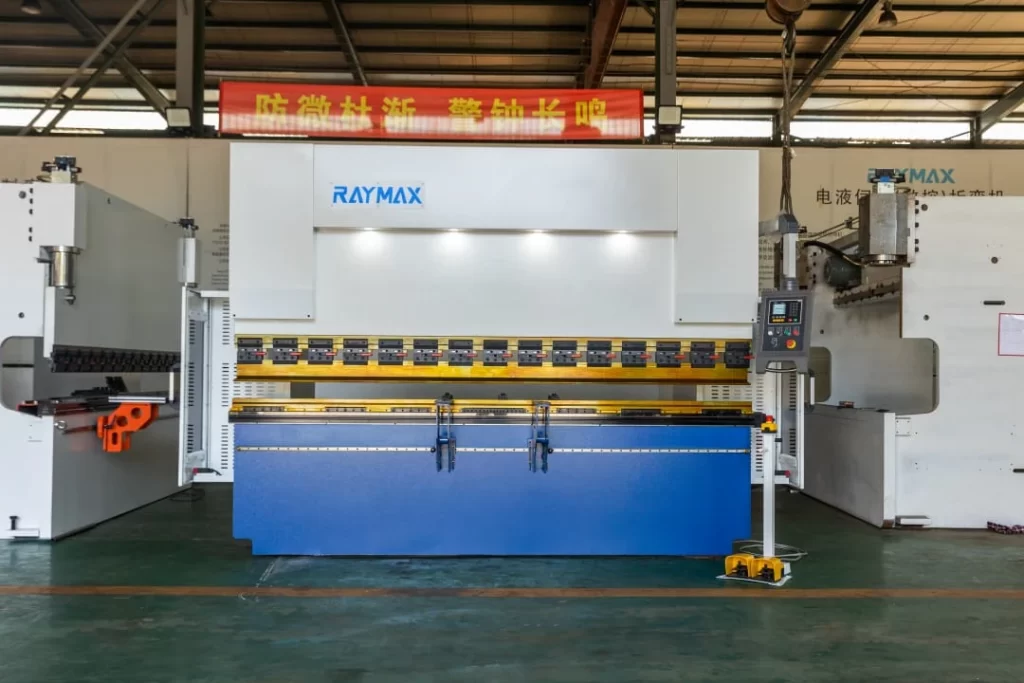
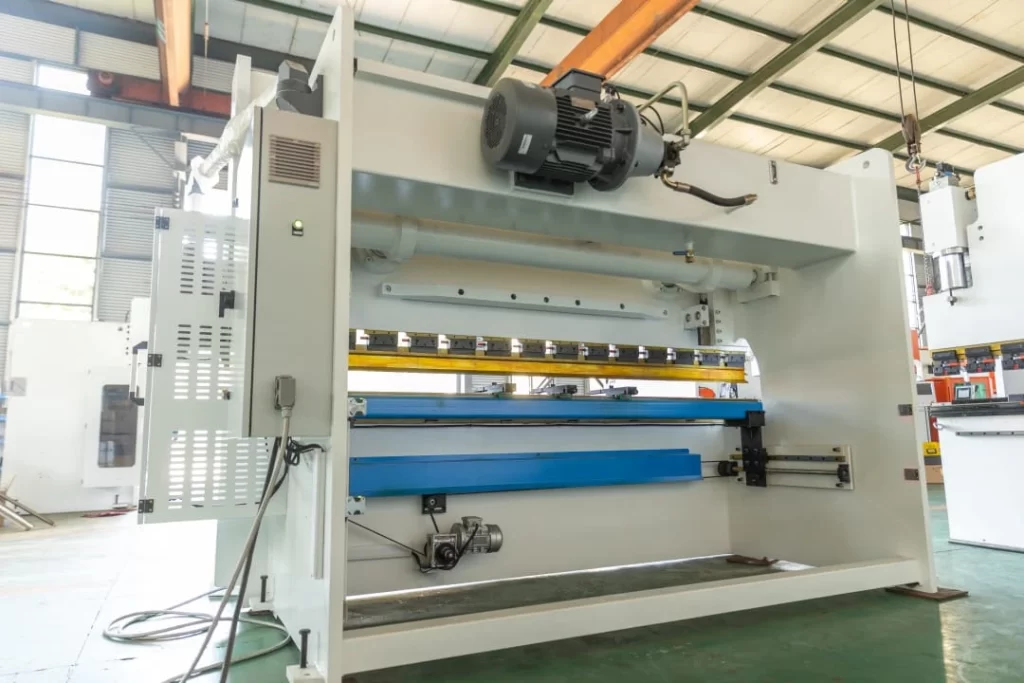
3. Evaluate the control system
Modern CNC bending machines are equipped with advanced control systems, improving precision and ease of use. When selecting a machine, pay attention to its user-friendly interface for quick programming and adjustments. Features such as graphical displays, touchscreens, and intuitive software can significantly reduce setup time and improve accuracy.
In addition, you should consider the level of automation you require. Some CNC bending machines offer advanced features such as automatic tool changers and programmable back gauges, which can further simplify your operation.
4. Assess manufacturing quality and durability
The manufacturing quality of a CNC bending machine is crucial to its long-term performance. Machines made with high-quality materials and capable of withstanding the test of daily use should be selected. A well-designed bending machine not only provides consistent processing results but also requires less maintenance over time.
Check for features such as a reinforced frame, a high-quality hydraulic system, and precision-ground components. These elements contribute to improving the overall durability and reliability of the machine.
5. Consider after-sales support and training
Finally, when investing in a CNC bending machine, be sure to consider the manufacturer's after-sales support and training programs. Reputable suppliers will provide comprehensive training for your employees, ensuring they can operate the machine efficiently and safely. Additionally, inquire about warranty plans and spare parts availability, as these factors significantly impact your long-term satisfaction with the equipment.
In conclusion
Choosing the right CNC bending machine for your machining workshop is a crucial decision that impacts your productivity and work quality. By understanding your specific needs, evaluating tonnage and bending length, assessing the control system, and considering manufacturing quality and after-sales support, you can make an informed choice. The time invested in this selection process will ultimately pay off with greater efficiency and superior metalworking results.